Plumbing · Putney, London
Radiator Repair & Installation in Putney
A radiator that drips onto the floorboards, stays cold at the top or bangs when the heating starts is one of the most fixable faults in a house, and one of the easiest to overpay for. [Honest Plumber Putney](/) answers on 07782 232151, works out whether you need a bleed, a new valve, a repair or a replacement, and passes the job to an independently owned partner company that quotes before it starts.
The prices are not mysterious. Published London figures put a leaking radiator valve at roughly £100 to £200, a like-for-like radiator swap at £150 to £250, and a brand-new radiator where none existed at £250 to £350. A bleed you can often do yourself with a key, and we will say so if that is all it takes.
Putney's housing explains a lot of the calls. Later-Victorian and Edwardian houses in West Putney have been extended, converted and re-piped over the decades, so a radiator may sit at the end of a long concealed run with old pipe, newer pipe and a few odd joints in between. Cold spots there are a circulation or balancing problem as often as a radiator one.
Hard water adds its own twist. Putney Heath's supply measures 257 mg/l calcium carbonate, and while a sealed heating circuit should not keep taking in fresh water, a system that is topped up repeatedly through a leak does, and each top-up brings more minerals. Fixing the leak matters more than refilling it.
If your radiators are part of a communal system in a Roehampton block, the repair route changes, because the landlord or housing provider owns the risers. We tell you which it is before anyone is sent.
Call-out line live · Open 24 Hours
Call now07782 232151Straight through to a real person. Or get a price by form
Call-outs
Radiator Faults We Arrange
Most radiator trouble falls into leaks, cold patches or new-radiator jobs.
Leaking Valves and Joints
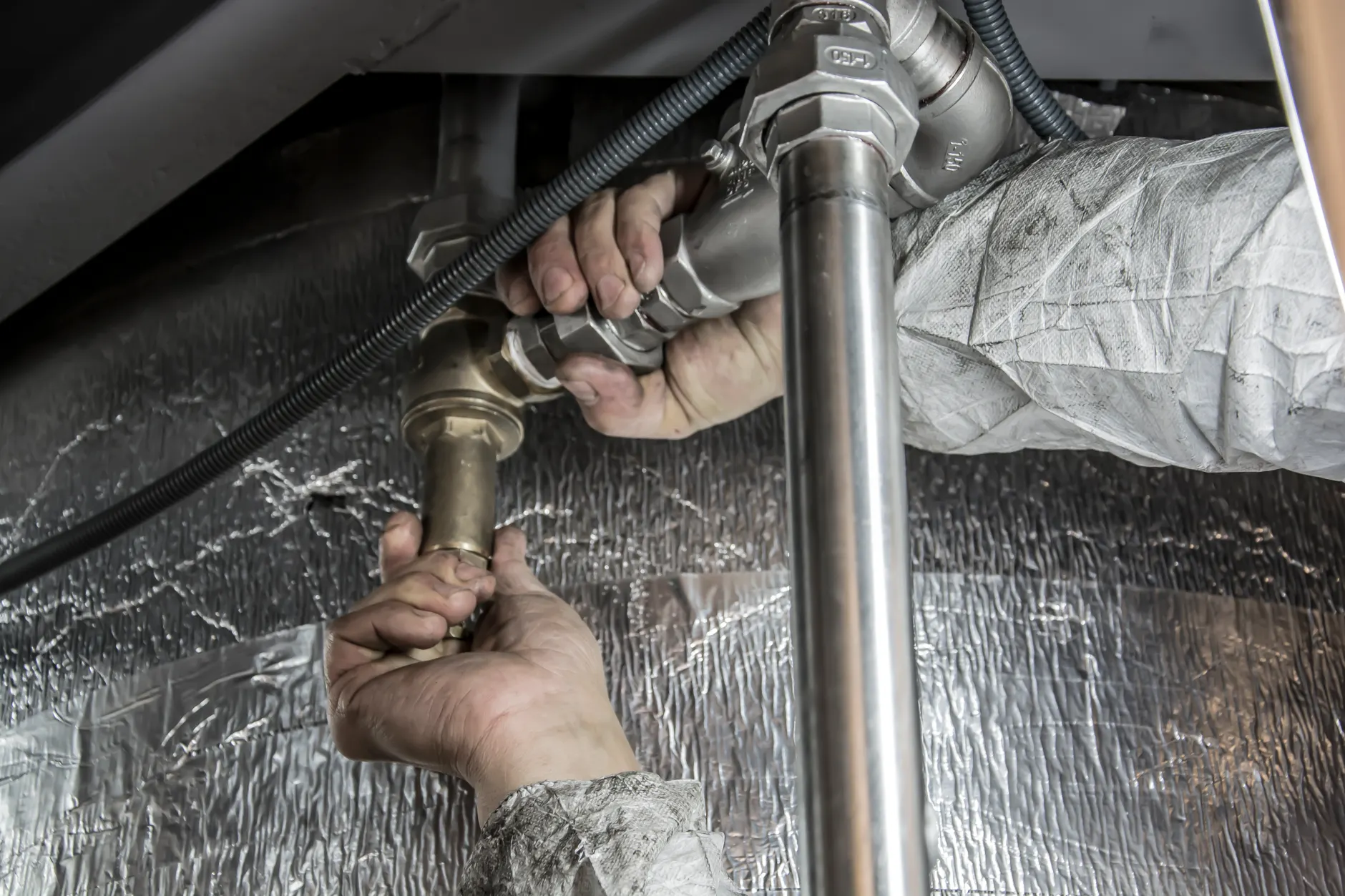
A weeping valve spindle or a wet union at the bottom of the radiator is the commonest leak. Often the fix is a new valve or a repacked gland, not a new radiator. The partner company isolates the radiator, drains it down only as far as needed, replaces the part and refills the circuit. Water stains on the carpet below are a sign to act today.
Cold Tops, Cold Bottoms, Cold Spots
Cold at the top means trapped air, and a bleed fixes it. Cold at the bottom, or in the middle, points to sludge in the radiator, and a stuck valve pin can mimic the same thing. If every radiator is lukewarm the cause is in the system, not the panel, and the work moves over to central heating repair.
Replacing and Adding Radiators
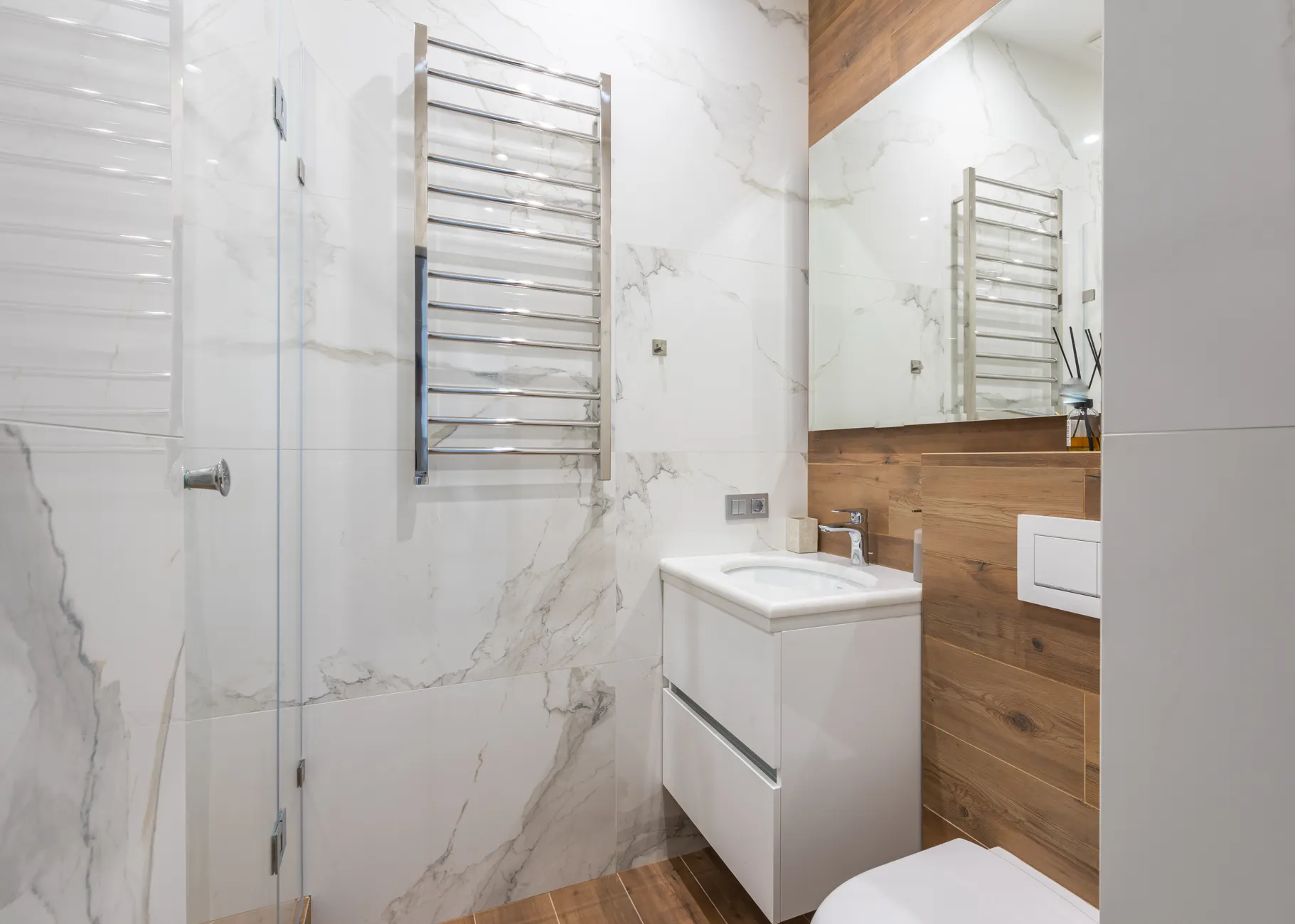
A like-for-like swap is quick when the pipe centres match. A larger or taller radiator, a towel rail in a bathroom, or a new radiator in a loft room needs pipework and a heat-loss check so the boiler is not overloaded. The partner company puts the output in kilowatts in the quote so you can compare it fairly.
What's Included
How a Radiator Job Is Handled
The cheapest sensible fix first, replacement only when it is justified.
Diagnose Before Replacing
Valve, air, sludge or a genuine hole in the panel: the partner company finds out which, and tells you, before suggesting a new radiator.
Clean Isolation, Tidy Work
The radiator is isolated with the valves, not by draining the whole house, wherever the valves allow. Floors are protected and the system is refilled, vented and checked for leaks afterwards.
Written Price, Itemised
Valves, labour, inhibitor and the radiator itself are listed so you can see what each costs and what you would save by keeping the old panel.
Tips
Radiator Problems and What They Mean
A quick reading of the symptoms.
Symptoms Worth Reporting
These point to a fault, not a quirk.
- A damp patch or rust stain beneath a radiator valve
- Cold at the bottom while the top is hot
- Banging or kettling when the heating comes on
- A radiator that stays cold with the valve fully open
- Pressure on the boiler gauge dropping week after week
What You Can Try First
Safe checks before you ring.
- Bleed the radiator with a key, with the heating off
- Check the pressure gauge is in the green range afterwards
- Make sure both valves are open
- Feel the pipes to see which side is hot
- Note which radiators are cold and tell us
The Difference
Radiators Across Putney, Roehampton and Barnes
Different buildings fail in different ways.
West Putney: Long Hidden Runs
Roads such as Colinette Road and Dealtry Road have houses extended and split into flats, with pipes that disappear under floors. Cold radiators at the far end often trace to a balancing problem.
Roehampton: Communal and Private
Alton Estate flats may be on communal heating where a radiator fault is for the landlord to arrange, while Dover House cottages and the Georgian properties of Roehampton Village have their own boilers and their own radiators.
Barnes: Old Copper and Cast Iron
Barnes Village has older properties, some with cast-iron panels and very old copper. Drain-down and refill takes more care there, and the partner company sets out the risks before touching a joint.
A radiator fault is sometimes the first sign of something bigger, so see central heating repair when every radiator is poor, emergency boiler repair when the boiler itself has stopped, and boiler installation & replacement if the system is worn out. A leaking pipe behind a wall is covered under leak detection & repair, and all services are listed in one place. For local detail see West Putney and Roehampton.
What Counts as a Radiator Repair
A repair is anything that restores a radiator to working without replacing the panel: bleeding, a new thermostatic or lockshield valve, a replacement tail or union, a repacked gland, or flushing out sludge. A panel with a corroded hole cannot be patched safely and is replaced. A good rule is that the fault should be identified before the quote, so you pay for the actual problem and not a guess.
What Affects the Price
Valve, Panel or Pipework
A valve swap sits at the low end of the published ranges, a panel swap in the middle, and new pipework for a new radiator at the top. Access under floors, in lofts or behind fitted units adds time.
Hard Water and Old Systems
Where a system has lost water through a leak and been topped up repeatedly, scale and sludge accumulate faster. In that case the partner company may recommend cleansing alongside the repair, and the cost of that appears as a separate, optional line.
Standards the Work Follows
Pipework follows BS EN 806 and the Water Fittings Regulations where it touches mains water, and fittings should be suitable for the system pressure and temperature. Gas appliances are not touched in a radiator job; any gas work is quoted separately.
When a New Radiator Is Honestly Worth It
A radiator with a pinhole from the inside has finished its life, and so has one so choked that it heats a third of its face. Likewise, if the room has never been warm enough, a bigger panel may be the true fix. But a stained, ugly radiator that still heats well is not a fault, and we would not suggest a swap for looks alone unless you ask for one. If you do want a change of style, the partner company can match the pipe centres to avoid new floor work.
Ask for the old valve and panel to be shown to you if you are unsure; a good partner company has no objection. The point is that you decide with the facts in front of you.
Straight Answers
How much does it cost to fix a leaking radiator?
Published London guides put a leaking radiator valve at about £100 to £200, and a full like-for-like radiator replacement at £150 to £250. These figures are indicative, not our quote. The partner company works out whether the leak is the valve or the panel and gives you the actual price in writing before they start work.
Can I bleed a radiator myself?
Yes, and for a radiator that is cold at the top it is usually all that is needed. Turn the heating off, open the bleed screw with a radiator key until water appears, then close it and check the boiler pressure. If you find yourself bleeding the same radiator every week, something is letting air in and it deserves a proper look.
Why is my radiator cold at the bottom but hot at the top?
That pattern normally means sludge has settled at the bottom of the panel and is blocking circulation. A power flush to BS 7593 is published at roughly £300 to £600 for a whole system, though a single radiator can sometimes be removed and flushed. The partner company advises which route makes sense for your pipework.
Do I need to drain the whole system to change a radiator?
Not usually. If the radiator has working valves at each end, it can be isolated and drained on its own. Where valves are seized or missing, part of the system must be drained, which adds time and cost. The written quote states which situation applies, so there is no argument on the day about what was or was not included.
My radiator valve will not turn. What should I do?
Do not force it, because a seized spindle can snap and leave you with a bigger leak. Turn the heating off and let the radiator cool. The partner company can free the valve or replace it, and since a valve swap sits at the lower end of the published range, it is often a cheaper job than people fear.
Can you fit a bigger radiator in the same place?
Often, yes, but the pipe centres and the output both matter. A larger panel gives more heat and weighs more, so the wall fixing must be right, and the room's heat loss should be checked so you buy the right size. The partner company states the output in kilowatts in the quote and notes any pipe alterations.
Are heated towel rails treated differently?
They are plumbed in much the same way, but they can sit on a different circuit or be electric, and in a bathroom they are close to water. The partner company checks which type yours is and quotes accordingly. A towel rail on a central-heating circuit only warms when the heating is on unless there is a separate summer arrangement.
Is my Roehampton flat's radiator my responsibility?
It depends on who owns the heating. In a block on a communal system the landlord or housing provider usually owns the risers and the main plant, and a fault there is theirs to deal with. A radiator and valves inside your own flat may still be yours. We ask the right questions on the phone and tell you who to call.
Why does my radiator make a banging or ticking noise?
Ticking is usually the pipe expanding and rubbing against a floorboard or clip as it heats up, and it is annoying more than harmful. Banging or kettling can mean sludge or scale, or a pump running too fast. If the noise is new, the partner company can check the system, and a clean or a rebalance often quietens it.
Do new radiators need the system cleaned first?
It is sensible. Fitting a new panel into dirty system water can bring sludge back into it, and corrosion inhibitor is normally added to protect the new radiator. The partner company should itemise inhibitor and any cleansing in the quote so you can see what it costs and what it protects. Ask for the inhibitor level to be noted on the invoice so the next visitor knows what is in there.
What happens if the leak comes back after the repair?
Ring us on 07782 232151 and we will take the details and get in touch with the partner company that did the work. The repair, the warranty and any follow-up are between you and them, because they quoted and invoiced the job. You do not have to work out who to chase, and we keep pressing until somebody replies.